Fleas Are Not Just an Itching Problem
Why regular protection matters for dogs and cats
When pet owners think about fleas, the first thing that usually comes to mind is itching. While scratching is one of the most common signs, fleas can affect much more than comfort. In dogs and cats, fleas, ticks, and lice can impact skin health, daily wellbeing, and quality of life.
A pet may look normal at first, but external parasites can already be present. By the time scratching, hair loss, or skin irritation becomes obvious, the problem may already be affecting the pet’s comfort.
According to the MSD Veterinary Manual, fleas can cause skin irritation and feed on the animal’s blood. The severity of signs can depend on the number of fleas present and how sensitive the pet is to flea saliva. Some pets can develop stronger reactions, including intense itching and skin lesions.
Common signs of fleas, ticks, and lice
Pet owners should pay attention to signs such as:
Scratching or biting the skin
Restlessness
Hair loss
Red or irritated skin
Small scabs or skin lesions
Excessive grooming, especially in cats
Visible fleas, ticks, or lice
Dirt-like black specks in the coat, commonly called flea dirt
These signs may seem small at first, but they should not be ignored. External parasites can make pets uncomfortable and may lead to secondary skin problems if the irritation continues.
Why early protection is important
Fleas and other parasites can be difficult to control once they are established. They can affect not only the pet, but also the environment where the pet sleeps, rests, and plays.
Regular protection helps reduce the risk of infestation before the problem becomes more serious. This is especially important in warm climates like Belize, where external parasites can remain active for much of the year.
The Companion Animal Parasite Council recommends year-round parasite control for dogs and cats, including protection against fleas and ticks, based on the pet’s needs and local risk.
Why this matters for daily wellbeing
A pet that is constantly scratching or irritated may sleep less, play less, and become more restless. Skin irritation can also make the pet uncomfortable when touched, brushed, or bathed.
For cats, the signs may sometimes be harder to notice because they groom themselves frequently. Excessive grooming, hair loss, or small scabs may be signs that something is wrong.
Good parasite protection is not only about eliminating fleas or ticks. It is about helping pets stay comfortable, healthy, and active.
Practical recommendations for pet owners
To support better parasite control:
Check your pet’s coat regularly
Look around the ears, neck, belly, tail area, and between the legs
Keep bedding and resting areas clean
Treat all pets in the household when needed
Avoid waiting until the infestation is severe
Follow product instructions carefully
Ask a veterinarian if the pet has severe itching, wounds, or skin infection
Product recommendation
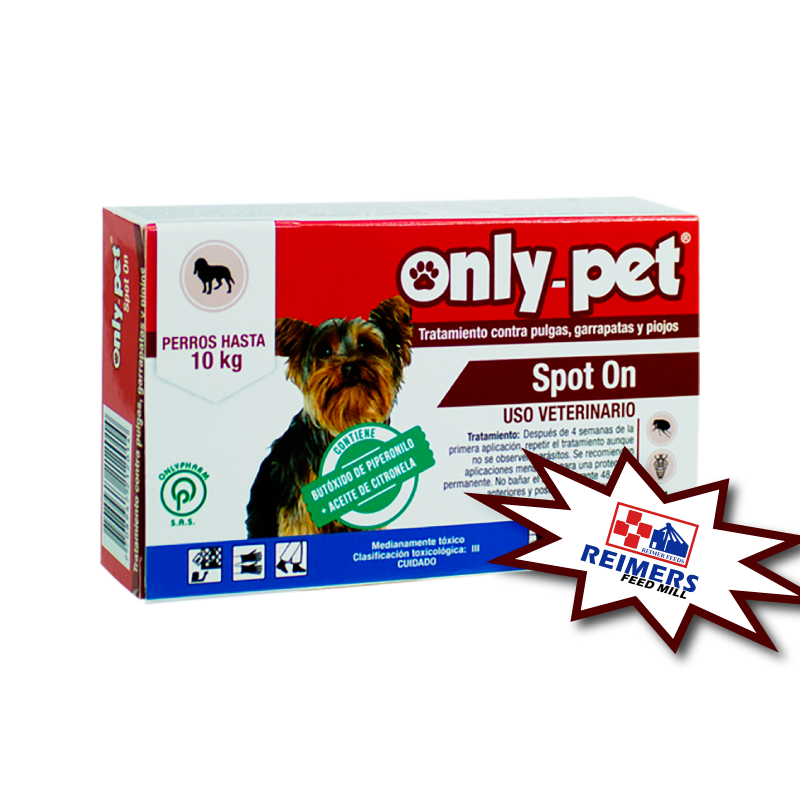
For dogs and cats, Only-Pet® is a practical option to help protect against common external parasites such as fleas, ticks, and lice. Regular, vet-guided protection can help reduce infestations and support better comfort, skin health, and daily wellbeing.
Use according to the product label and veterinary guidance.
Available at Reimers Feed Mill stores across Belize.
Sources: MSD Veterinary Manual — Fleas in Dogs and Cats; MSD Veterinary Manual — Flea Allergy Dermatitis in Dogs and Cats; Companion Animal Parasite Council — CAPC Guidelines.