Joint Care Is Not Only for Senior Dogs
Why mobility support can matter before stiffness becomes obvious
Many pet owners believe joint care is only for senior dogs. While older dogs are more likely to show joint discomfort, joint support can also be important for active dogs, growing dogs, working dogs, and dogs that jump, run, or play frequently.
Mobility is part of a dog’s everyday life. Running, climbing, jumping, getting up, and walking comfortably all depend on healthy joints. When joint discomfort begins, the signs may be mild and easy to miss.
According to the MSD Veterinary Manual, common signs of osteoarthritis in dogs may include slowness to rise, difficulty going up or down stairs, reduced jumping, and less interest in play. Lameness may also be present, but it is not always obvious in the early stages.
Early signs pet owners should watch for
Joint problems do not always appear suddenly. In many dogs, the changes are gradual.
Possible early signs include:
Slower movement
Stiffness after resting
Less interest in jumping
Less interest in running or playing
Difficulty getting up
Reluctance to climb stairs
Lower activity level
Discomfort after exercise
These signs do not always mean the dog has a serious joint condition, but they are a good reason to pay closer attention and consult a veterinarian if they continue.
Why active dogs may also need joint support
Dogs that are very active can place more stress on their joints. This may include dogs that run often, jump frequently, play intensely, or participate in regular outdoor activity.
Growing dogs may also need proper support because their bodies are still developing. Large-breed dogs, in particular, may be more prone to joint stress as they grow.
Joint care is not only about treating a problem after it appears. It can also be part of a proactive wellness routine to help maintain mobility, flexibility, and comfort.
What supports better mobility?
Good joint care often includes more than one step. The MSD Veterinary Manual notes that management of joint disease may include weight control, appropriate exercise, and veterinary treatment when needed.
Helpful practices include:
Maintaining a healthy body weight
Avoiding excessive jumping on hard surfaces
Providing regular, controlled exercise
Using non-slip surfaces when possible
Supporting recovery after intense activity
Visiting the veterinarian if stiffness or pain is suspected
Weight control is especially important. Extra weight places more pressure on the joints, which can make mobility problems worse over time.
Quality of life matters
A dog’s comfort affects its daily life. When movement becomes uncomfortable, the dog may become less active, less playful, or more hesitant to interact.
Supporting joint health can help dogs stay more comfortable during normal daily activities, including walking, playing, climbing, and resting.
Product recommendation
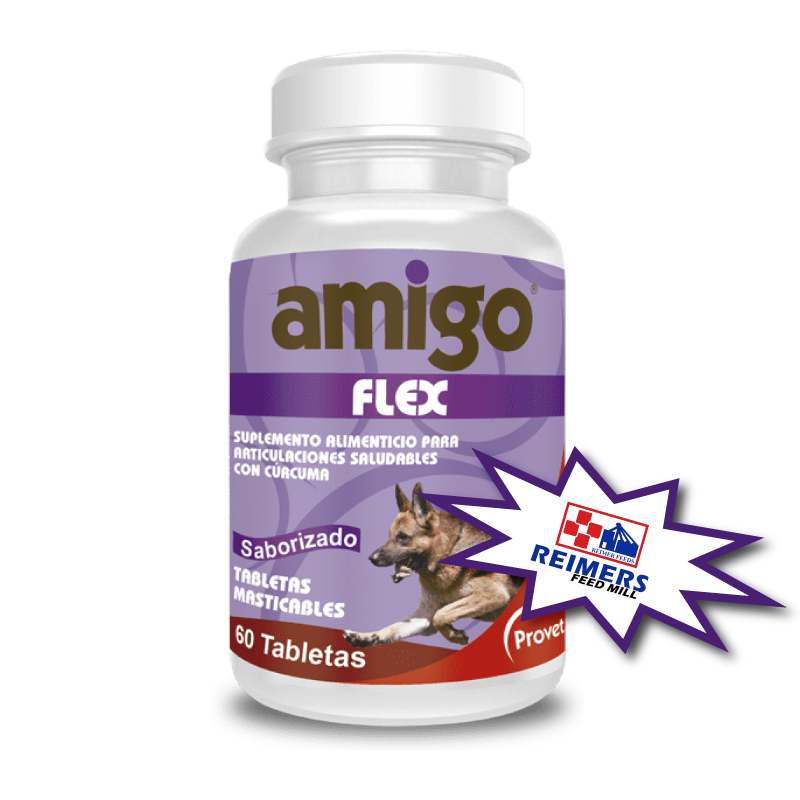
For dogs that need mobility and joint support, Amigo Flex® is a practical option to help maintain mobility, flexibility, comfort, and daily activity. It can be considered for senior dogs, active dogs, and dogs that may benefit from additional joint support.
Use according to the product label and consult a veterinarian if your dog shows persistent stiffness, pain, limping, or reduced activity.
Available at Reimers Feed Mill stores across Belize.
Sources: MSD Veterinary Manual — Osteoarthritis in Dogs and Cats; MSD Veterinary Manual — Osteoarthritis, Dog Owners.